Energy transition & electrification
Electricity replaces fossil fuels in transport, heat and industry while generation becomes decentralized and volatile. The buildout spans the entire chain from grid expansion and renewable generation through storage and battery materials, nuclear and e-mobility to heat pumps, critical minerals and natural gas as a bridge fuel. The real bottleneck increasingly shifts from generation itself to grids and storage — whoever builds or operates that infrastructure is structurally exposed differently than a pure renewable-power generator.
Grid buildout
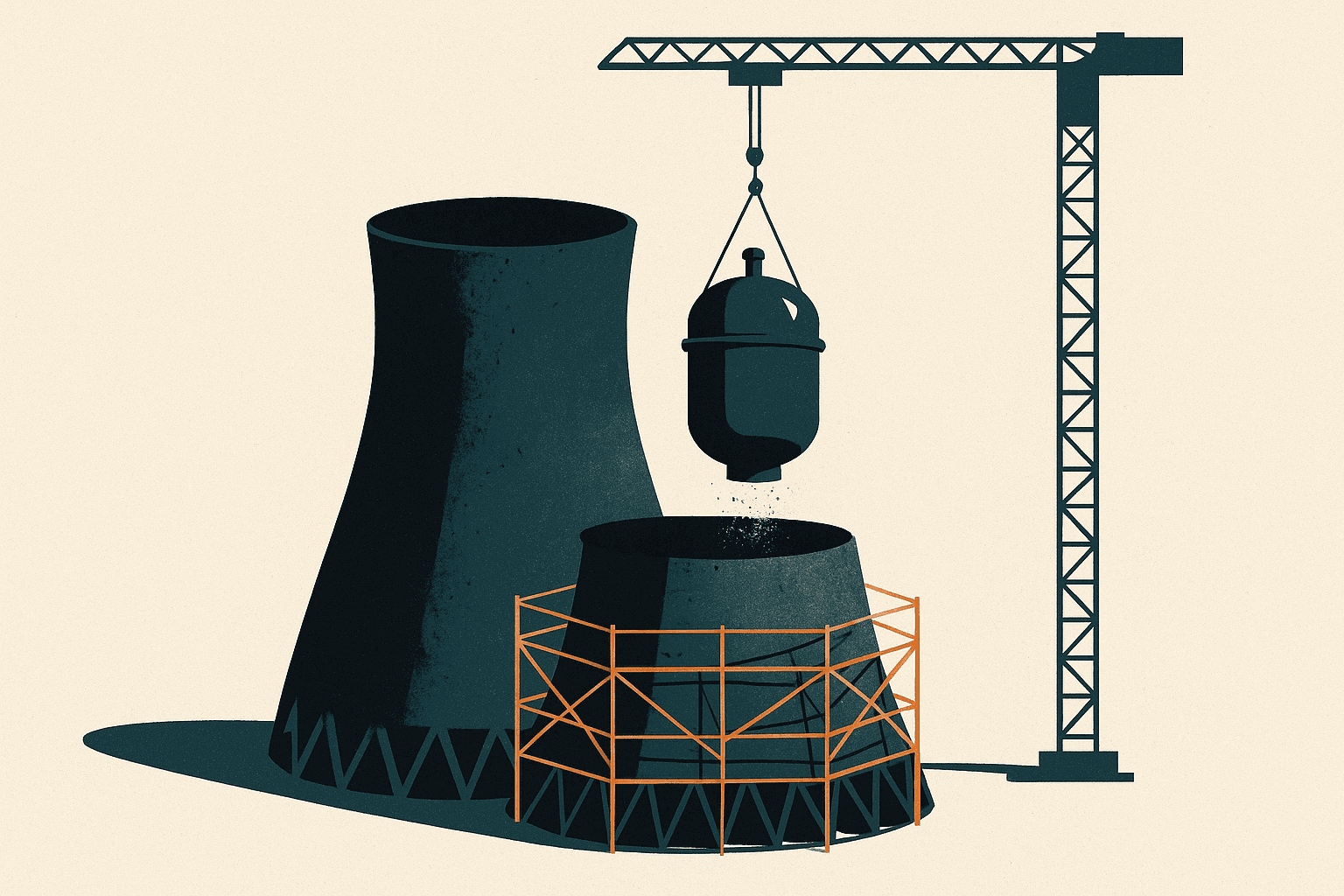
Renewable generation, EVs and data centers are straining power grids that are often decades old and built for a completely different world. Because transformers and high-voltage cables have multi-year lead times, grid expansion itself has become the bottleneck of the entire energy transition, not generation. Manufacturers with free production capacity can more or less pick their prices and order books for years to come.
Transformatoren · Hoch- und Mittelspannungskabel · HGÜ-Technik · Schaltanlagen · Netzsoftware


Renewable generation
Solar and wind are now the cheapest way to build new power capacity, which is why they make up the largest share of new capacity added worldwide. Manufacturers of modules, turbines and inverters benefit from this structural volume growth, even though individual years can swing with subsidy policy and interest rates. Those who also develop projects or operate plants earn for decades from guaranteed feed-in tariffs or long-term power supply contracts.
Solarmodule und Zellen · Windturbinen · Wechselrichter · Projektentwickler · Erneuerbare-Betreiber






Storage & battery materials
Sun and wind do not deliver power exactly when it is needed, and battery storage closes that gap, making it a prerequisite for a stable, renewables-heavy grid. The more renewable capacity comes online, the more storage is needed on top, a growth driver decoupled from generation itself. Cell makers and material suppliers benefit from the same underlying demand as the EV industry, just with a second, independent market for it.
Stationäre Batteriespeicher · Zellhersteller · Kathoden- und Anodenmaterial · Batterie-Management-Systeme





Nuclear
Nuclear power delivers round-the-clock, carbon-free electricity, exactly what data centers and energy-intensive industries need since they can tolerate neither blackouts nor fluctuating generation. After decades of stagnation, several countries are rebuilding fleets or extending plant lifetimes, while new, smaller reactor designs (SMRs) are making the business attractive to private investors again for the first time. Operators, uranium producers and specialized suppliers benefit from a politically backed reversal that seemed unlikely just a few years ago.
Kernkraft-Betreiber · Uranförderung und -anreicherung · SMR-Entwickler · Brennstoff und Service




E-mobility & charging
Electric cars no longer need combustion engines, transmissions or exhaust systems, which is structurally shrinking traditional drivetrain suppliers year after year. At the same time, a completely new value chain of battery cells, power electronics and charging infrastructure has emerged that barely existed ten years ago. Companies that secure the right position early in this new chain grow with a market that classic automakers in some cases still have to catch up to.
E-Fahrzeughersteller · Ladeinfrastruktur · Leistungshalbleiter · Traditionelle Antriebszulieferer




Heat pumps & efficiency
Heating and cooling buildings accounts for a large share of global energy use, and heat pumps replace fossil boilers with electric, far more efficient technology. Because many countries are regulating fossil heating out and offering subsidy programs at the same time, demand is growing faster than the natural replacement cycle of old systems alone would explain. Heat pump and insulation manufacturers benefit from a second, often underappreciated pillar of the energy transition alongside power and mobility.
Wärmepumpen · Gebäudedämmung · Industrielle Effizienztechnik · Energiemanagement-Software

Critical minerals
Every new wind turbine, power grid and battery needs far more metal than the fossil technology it replaces, with copper alone needed for electrification at a multiple of today's mining output. Because new mines take a decade or more from discovery to production, supply can barely keep pace with this demand. Producers already in production or close to it benefit from a structural supply deficit that cannot be fixed quickly.
Kupfer · Lithium · Nickel und Kobalt · Graphit · Seltene Erden





Natural gas & LNG as a bridge
As long as battery storage and grid expansion cannot fully back up renewables around the clock, natural gas steps in as flexible backup, especially for data centers that cannot tolerate any supply gap. That makes gas turbines and LNG infrastructure a transition technology with a surprisingly long lifespan rather than one fading away quickly. Turbine makers and LNG terminal operators benefit from exactly the gap the energy transition leaves open for the foreseeable future.
Gasturbinen · LNG-Export und Terminals · Midstream-Pipelines · Gasförderer


